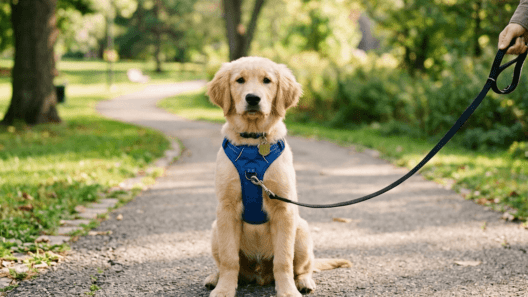




Dog separation anxiety is more than just a “bad habit”; it is a genuine panic disorder. For a dog, your departure feels like a survival threat. To rank among the top solutions for this issue, we must move beyond basic advice and focus on desensitization and environmental management.
Here are 7 proven, technical steps to reduce your dog’s stress when you are away.
1. Desensitize Your “Departure Cues”
Dogs are experts at spotting patterns. They know that when you pick up your keys or put on your shoes, you are about to leave. This builds “anticipatory anxiety.”
- The Fix: Pick up your keys or put on your coat at random times during the day, then sit on the couch and watch TV. By detaching the cue from the action of leaving, you lower the dog’s baseline stress.
2. Utilize High-Value “Distraction Toys”
The first 15 minutes after you leave are the most critical. You need to provide a high-value task that occupies the dog’s brain and mouth, shifting their focus from “panic” to “problem-solving.”
- Amazon USA Pick: Classic KONG Dog Toy. Stuff it with peanut butter or wet food and freeze it. A frozen KONG provides 20–30 minutes of mental stimulation, helping the dog associate your departure with a positive reward.
3. Implement Compression Therapy
Much like swaddling a baby, gentle pressure can have a profound calming effect on a dog’s nervous system. This is an excellent tool for dogs that exhibit pacing or excessive whining.
- Top Rated Tool: ThunderShirt Dog Anxiety Jacket. This is a staple in the USA market for managing anxiety during thunderstorms, fireworks, and separation.
4. Use Natural Calming Aids (Pheromones & Supplements)
For many dogs, biological intervention is necessary to lower cortisol levels. Synthetic pheromones mimic the “appeasing” scent a mother dog produces, creating a sense of safety.
- Recommended Product: ADAPTIL Calming Diffuser for Dogs or Zesty Paws Calming Bites. These supplements use natural ingredients like L-Theanine and Melatonin to soothe the dog without heavy sedation.
5. Monitor and Interact Remotely
One of the biggest hurdles is not knowing what your dog is doing. A pet camera allows you to monitor their stress levels and even intervene with your voice or a treat.
- Affiliate Pick: Furbo 360° Dog Camera. This allows you to toss a treat remotely when you see your dog relaxing, reinforcing calm behavior even when you aren’t home.
6. Create a “Safe Zone” with White Noise
Silence can amplify outside noises (cars, neighbors), which triggers a dog’s “guarding” instinct and raises anxiety. Using a white noise machine or a dedicated pet music playlist creates a soothing “sound cocoon.”
- Action Plan: Place a crate or a comfortable bed in a quiet room and play soft classical music or brown noise to mask external triggers.
7. The “Gradual Departure” Protocol
Never jump from 0 to 8 hours of absence. Start by leaving the house for just one minute. If the dog remains calm, increase to five minutes, then ten. This build-up teaches the dog a vital lesson: You always come back.
FAQs
1. Is it okay to say goodbye to my dog before leaving?
Actually, no. Emotional, long goodbyes increase the dog’s anxiety. It’s better to keep your departure and arrival “low-key” and boring. Ignore the dog for 5 minutes before you leave and 5 minutes after you return.
2. Can getting another dog help with separation anxiety?
Usually, no. Separation anxiety is specifically about the bond with the human, not a lack of canine company. Adding another dog often results in two anxious dogs instead of one.
3. Will my dog grow out of separation anxiety?
Unfortunately, this is rarely the case. Without active training and the right Calming Aids, the behavior typically worsens over time as the panic response becomes “hard-wired.”
Conclusion
Solving dog separation anxiety requires a combination of behavioral training and the right environment. By using tools like the ThunderShirt and KONG toys, you give your dog the mechanical support they need to stay calm. Consistency is your best friend—stick to the routine, and your dog will learn that being alone isn’t a crisis.