



Living Room Lighting: Warm vs. Neutral vs. Daylight Bulbs (Kelvins Explained)
Lighting is no longer just about “flipping a switch” to see in the dark. It is a fundamental component of interior design that affects your circadian rhythm, productivity, and the visual accuracy of your home’s decor.
If you are still buying bulbs based on wattage alone, you are likely missing out on better energy efficiency and superior light quality. This guide breaks down the technical specifications of modern lighting—from Lumens and Kelvin to CRI—to help you optimize every square inch of your home.
Understanding the Technical Specs: Lumens vs. Watts
In the past, we measured brightness by Watts. However, Watts measure energy consumption, not light output. With the rise of high-efficiency LEDs, we now look at Lumens.
- Watts: The amount of electricity the bulb uses.
- Lumens: The actual amount of light emitted.
To replace a traditional 60W incandescent bulb, you should look for an LED that produces approximately 800 Lumens.
The Color Temperature Scale (Kelvin)
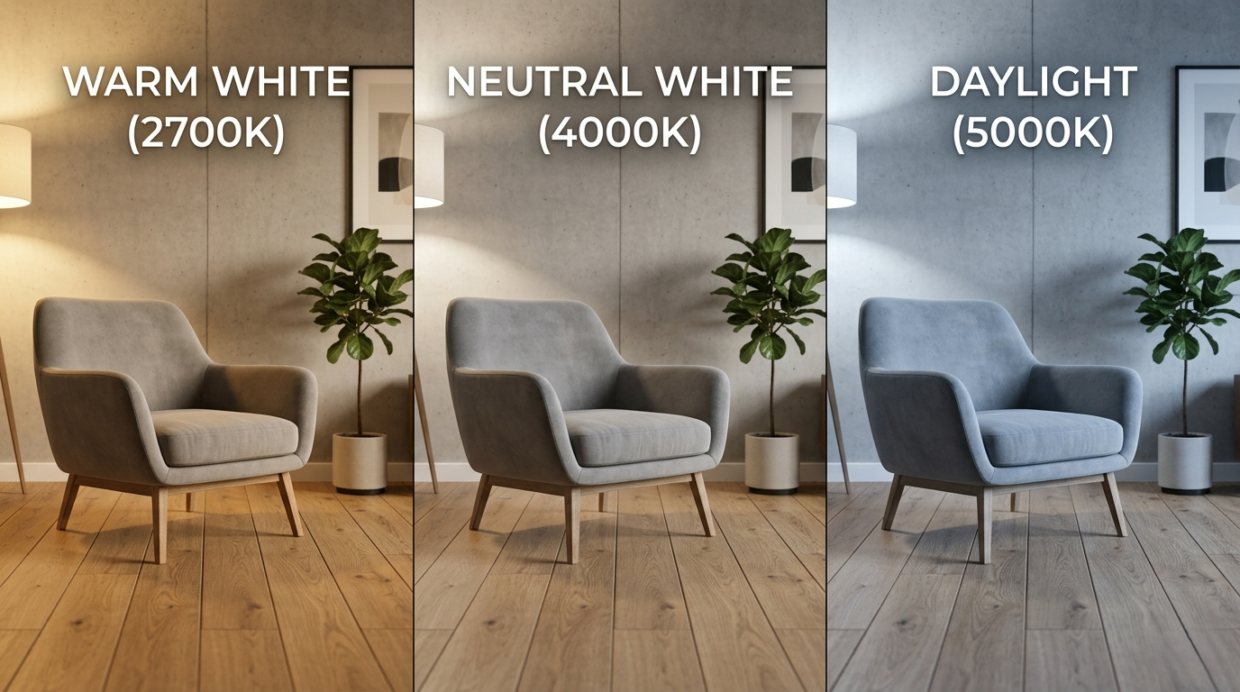
Color temperature determines the “mood” of a room and is measured in Kelvin (K).
- 2700K – 3000K (Soft/Warm White): Provides a cozy, yellowish glow. Ideal for bedrooms and living rooms.
- 3500K – 4100K (Cool/Neutral White): A clean, balanced light. Best for kitchens and workspaces.
- 5000K – 6500K (Daylight): Mimics natural sunlight with a blue tint. Perfect for garages, basements, and detailed task work.
Pro Tip: Check the CRI (Color Rendering Index). A CRI of 90 or higher ensures that colors in your room (paint, furniture, textiles) look vibrant and true to life, rather than washed out.
Room-by-Room Lighting Strategy
1. The Kitchen: Precision and Clarity
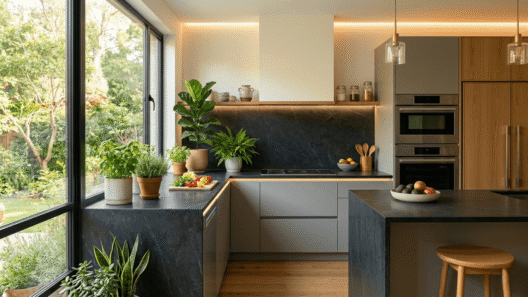
The kitchen requires Task Lighting. You need high-visibility light for chopping, cooking, and reading recipes. Aim for 4000K to 5000K bulbs to ensure the environment feels energized and clean.
2. The Bedroom: Relaxation and Sleep Hygiene
The bedroom is your sanctuary. Blue light (found in Daylight bulbs) can suppress melatonin production. Stick to 2700K bulbs to promote a relaxing atmosphere.
3. The Home Office: Focus and Productivity
For work-from-home setups, a “Cool White” bulb (approx. 4000K) reduces eye strain during long hours of screen time without being as harsh as full daylight bulbs.
- Recommended: GE Relax/Refresh LED Bulb Variety Pack
4. The Bathroom: Accuracy for Grooming
Bathrooms benefit from a mix. You want high-Kelvin lighting near the vanity for makeup application or shaving, but a dimmable option for nighttime use. Look for 3000K to 3500K for a balance of warmth and clarity.
Comparison of Light Bulb Types
| Feature | LED (Light Emitting Diode) | CFL (Compact Fluorescent) | Incandescent |
| Lifespan | 25,000+ Hours | 8,000 – 10,000 Hours | 1,000 Hours |
| Energy Use | Ultra-Low (6-12W) | Low (13-15W) | High (60-100W) |
| Heat Emission | Very Low | Moderate | High |
| Dimmable | Yes (check label) | Limited | Yes |
| Cost (Long-term) | Lowest (High ROI) | Moderate | Highest |
Selecting the Right Bulb Base
Before purchasing, verify the fixture’s base type. The most common in the USA is the E26 (Medium Base). For chandeliers or sconces, you might need the smaller E12 (Candelabra Base).
- Smart Home Upgrade: If you want total control, consider Smart Bulbs. These allow you to change color temperature via an app or voice command.
- Recommended: Kasa Smart Light Bulbs (Multicolor & Dimmable)
Conclusion
Choosing the right light bulb is a balance of technical specifications and functional needs. By shifting your focus from Watts to Lumens and Kelvin, you can significantly improve the energy efficiency and aesthetic quality of your home. Start by upgrading your high-traffic areas (Kitchen/Office) to LEDs for the fastest return on investment.
Frequently Asked Questions (FAQs)
1. Can I put an LED bulb in a regular fixture?
Yes, as long as the bulb base (e.g., E26) fits the socket and the LED wattage does not exceed the fixture’s maximum rating. Since LEDs use much less power, this is rarely an issue.
2. What is the best light bulb color for a living room?
For a living room, 2700K to 3000K (Warm White) is best. It creates an inviting, comfortable environment suitable for relaxing and entertaining guests.
3. Why do my LED bulbs flicker when I use a dimmer switch?
LEDs require specific “LED-Compatible” dimmer switches. Older dimmers designed for incandescent bulbs may not handle the low wattage of LEDs correctly, leading to flickering or humming.
4. Is “Daylight” (5000K) better than “Warm White” (2700K)?
Neither is “better”—they serve different purposes. Daylight is superior for task-oriented areas like garages or craft rooms, while Warm White is better for areas where you want to unwind, like bedrooms.
5. Are LED bulbs worth the extra cost?
Absolutely. While the upfront cost is slightly higher, an LED bulb uses 80% less energy and lasts up to 25 times longer than an incandescent bulb, saving significant money on utility bills over time.