




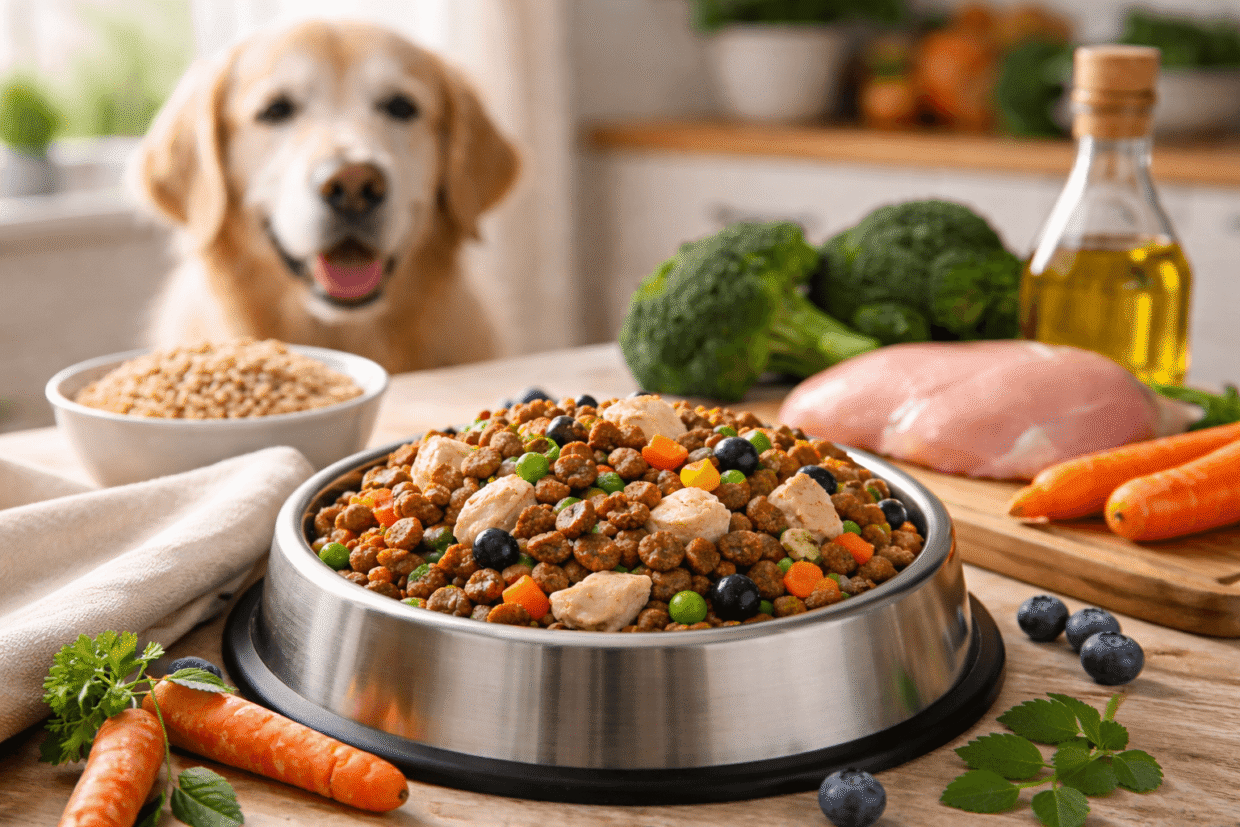
As dogs get older, their nutritional needs often become more specific. Add a sensitive stomach, itchy skin, food intolerances, or reduced appetite into the mix, and choosing the right diet can suddenly feel far more complicated than it used to. For many owners, the search quickly narrows to one question: what is the best organic dog food for sensitive senior pets?
The answer is not one universal brand or a trendy label. The best organic dog food for a sensitive senior pet is one that is gentle on digestion, made with clearly named ingredients, appropriately balanced for older dogs, and easy for your dog to tolerate consistently. In practice, that usually means a recipe with high-quality protein, digestible carbohydrates, moderate fat, targeted joint and gut support, and no unnecessary fillers or artificial additives.
That is where organic dog food can be especially appealing. Many senior pet owners want a cleaner ingredient panel, more transparent sourcing, and fewer synthetic extras. When a dog is older and more reactive to certain foods, simplicity and ingredient quality matter far more than flashy marketing.
This guide explains what to look for, what to avoid, and how to choose an organic food that genuinely suits a sensitive senior dog.
Why Senior Dogs With Sensitive Stomachs Need a Different Approach
A senior dog is not simply an adult dog with more birthdays behind them. Age can change digestion, activity levels, chewing ability, metabolism, and even how well a dog handles familiar ingredients.
Some older dogs start showing signs such as:
- loose stools or frequent tummy upsets
- wind, bloating, or noisy digestion
- itchy skin or ears after eating
- reduced enthusiasm at mealtimes
- stiffness and weight gain
- difficulty chewing harder kibble
- increased sensitivity to rich foods or sudden diet changes
At the same time, many senior pets still need strong nutritional support. They may need enough quality protein to help maintain muscle, enough calories to keep a healthy body condition, and carefully selected ingredients that do not trigger digestive flare-ups.
That is why the best food for a sensitive senior pet should not just be marketed as “senior” or “organic”. It should be selected with your individual dog’s digestion, age, size, appetite, and health history in mind.
What “Organic” Really Means in Dog Food
When owners shop for organic dog food, they are often looking for reassurance. They want food made with better ingredients and fewer things that might upset a dog’s system.
In practical terms, an organic dog food usually aims to include ingredients produced without routine synthetic pesticides, artificial growth hormones, or genetically modified inputs, depending on the certification standard used. For dog owners, the main attraction is often not the label alone, but the overall style of formulation: cleaner recipes, more straightforward proteins, and fewer artificial colours, flavours, and preservatives.
That said, organic does not automatically mean ideal for a sensitive senior dog.
A food can be organic and still be too rich, too fatty, too high in legumes, or based on proteins your dog does not tolerate well. Equally, a non-organic food may sometimes suit a dog better if the recipe is simpler and more digestible.
The smartest approach is to treat “organic” as one positive factor, not the only factor.
What Makes a Dog Food Suitable for Sensitive Senior Pets?
When comparing options, look beyond front-of-bag claims. The best organic dog food for sensitive senior pets usually shares several characteristics.
1. Clearly Named Animal Protein
Look for recipes that state the protein source plainly, such as organic chicken, organic turkey, organic lamb, or organic salmon.
That matters because vague wording like “meat derivatives” or “animal by-products” tells you very little. For sensitive pets, clarity helps you avoid ingredients that may have caused problems before.
Some senior dogs do best on familiar proteins. Others improve on a novel protein they have not eaten regularly in the past. The right choice depends on your dog’s own history.
2. Digestible Carbohydrates
A sensitive senior dog often benefits from easy-to-digest carbohydrate sources such as brown rice, oats, pumpkin, or sweet potato, depending on what suits them.
Very heavily processed fillers or overly complex ingredient lists can make it harder to work out what is helping and what is causing trouble.
3. Moderate Fat, Not Excessive Richness
Older dogs with sensitive stomachs often struggle with rich, greasy foods. A recipe with moderate fat levels can be easier to digest while still providing enough energy and flavour.
This matters especially if your dog has had pancreatitis concerns, recurring digestive upset, or unexplained loose stools after richer meals.
4. Support for Joints and Mobility
Many senior pets benefit from foods that include ingredients associated with joint support, such as glucosamine, chondroitin, omega-3-rich oils, or nutrient-dense fish ingredients.
Food alone will not solve advanced mobility issues, but choosing a recipe that supports healthy ageing can be a sensible part of the bigger picture.
5. Gut-Friendly Formulation
Sensitive dogs often do well with recipes that include prebiotic fibres, gentle fibre sources, or a thoughtfully balanced digestive profile.
Some dogs benefit from added probiotics, though tolerance varies. The key is not to chase every trendy extra, but to find a recipe your dog digests calmly and consistently.
6. Texture That Suits an Older Mouth
Senior dogs may have worn teeth, missing teeth, gum sensitivity, or simply less enthusiasm for very hard kibble. In those cases, softer kibble, smaller pieces, or wet organic food can make eating much easier.
The best food is the one your dog can comfortably eat and continue to enjoy.
Ingredients to Avoid in Sensitive Senior Dog Food
When a dog has a delicate digestive system, less is often more. Try to be cautious with foods that contain:
- artificial colours, flavours, or preservatives
- vague or unidentified meat sources
- very long ingredient lists with multiple protein blends
- excessive fat
- lots of unnecessary sweeteners or flavour enhancers
- common triggers your own dog has reacted to before
- abrupt “superfood” styling that sounds impressive but adds complexity without clear benefit
The aim is not perfection. The aim is predictability. Sensitive dogs generally do better when the food is consistent, straightforward, and easy to understand.
Dry Food, Wet Food, or Mixed Feeding?
There is no single correct format for every senior dog.
Dry Organic Dog Food
Dry food is convenient, easier to store, and often more economical. It can work very well for senior dogs if the kibble size and texture are manageable and the formula is not overly rich.
Wet Organic Dog Food
Wet food is often more appealing to older dogs, especially those with dental issues, reduced appetite, or a weaker sense of smell. It can also increase moisture intake, which some owners value for older pets.
Mixed Feeding
A combination of dry and wet food can offer the best of both: convenience, improved palatability, and a softer overall meal. For some sensitive senior pets, this approach makes mealtimes more appealing without overloading the stomach.
The best choice depends on chewing comfort, digestive stability, budget, and how fussy your dog has become with age.
How to Choose the Best Organic Dog Food for Your Dog
Instead of searching for the single “best” product on the market, use a more useful checklist.
Ask these questions:
- Does the food use a named protein source?
- Is the recipe simple enough to understand easily?
- Is it designed with senior needs in mind?
- Is the fat level reasonable for my dog?
- Has my dog eaten this protein before, and did it suit them?
- Is the texture easy for my dog to chew?
- Does the food avoid my dog’s known triggers?
- Can I feed this consistently without needing frequent switches?
That final point matters more than many owners realise. Senior dogs with sensitive digestion often do better on a stable, well-tolerated routine than on constant experimentation.
Signs an Organic Food Is Working Well
Once you have chosen a food and transitioned carefully, look at the results over several weeks.
Positive signs often include:
- firmer, more regular stools
- less wind or bloating
- fewer episodes of sickness or stomach upset
- improved appetite
- steadier energy
- healthier-looking skin and coat
- better weight control
- more comfortable movement in day-to-day life
The biggest sign is usually consistency. When a senior dog is thriving on a food, daily life becomes more predictable.
Signs the Food Is Not the Right Fit
Even a premium organic dog food may not suit your dog. Watch for:
- persistent loose stools
- vomiting or nausea
- itching, licking, or ear irritation
- worsening wind or abdominal discomfort
- refusal to eat
- sudden weight loss or gain
- lethargy after meals
If these signs continue, the formula may be too rich, the protein may not suit your dog, or there may be a separate health issue that needs veterinary advice.
How to Switch a Sensitive Senior Dog to a New Food
Never rush a food change with a sensitive senior pet.
A gentle transition usually works best:
- days 1 to 3: mostly old food, small amount of new
- days 4 to 6: increase the new food gradually
- days 7 to 10: move towards the full new portion if all is well
Some very sensitive dogs need even longer. Go by the dog, not the packet. If stools become loose or your dog seems uncomfortable, slow the transition down.
It also helps to avoid introducing lots of new treats, chews, toppers, or leftovers at the same time. Otherwise, it becomes difficult to judge what is actually causing a reaction.
Common Mistakes Owners Make
Assuming Organic Means Hypoallergenic
It does not. Organic chicken is still chicken. If your dog reacts badly to chicken, the organic version is unlikely to solve that.
Changing Foods Too Often
Frequent switching can make it harder to settle the gut and identify triggers.
Ignoring Texture
A nutritionally strong food still needs to be easy for a senior dog to chew and enjoy.
Choosing by Trend Rather Than Tolerance
A fashionable ingredient list means very little if your dog cannot digest it comfortably.
Overlooking Portion Control
Senior dogs are often less active. Even a healthy food can cause weight gain if portions are not adjusted sensibly.
Is Grain-Free Better for Sensitive Senior Pets?
Not always.
Some sensitive dogs do better with grain-free recipes. Others digest gentle grains such as oats or brown rice perfectly well and may even do better on them than on certain grain-free alternatives.
The more useful question is not “grain-free or not?” but “what ingredients does my dog digest well?”
Unless your dog has a specific reason to avoid particular grains, there is no automatic rule that grain-free is superior.
When to Speak to Your Vet
Diet choice matters, but it cannot replace proper medical care. Speak to your vet if your senior dog has:
- repeated vomiting
- chronic diarrhoea
- blood in the stool
- sudden weight loss
- marked appetite loss
- signs of pain after eating
- suspected pancreatitis
- ongoing skin or ear flare-ups
- diagnosed kidney, liver, or endocrine issues
In those cases, a standard shop-bought organic diet may not be enough on its own. Your dog may need a more specific feeding plan.
Final Thoughts: The Best Food Is the One Your Senior Dog Thrives On
The best organic dog food for sensitive senior pets is not the one with the most expensive branding or the longest list of “superfoods”. It is the one that your dog can digest comfortably, eat happily, and benefit from day after day.
For most sensitive older dogs, that means:
- a clearly named, high-quality protein
- simple, digestible ingredients
- moderate fat levels
- support for ageing joints and overall wellbeing
- a texture they can manage easily
- a slow, careful transition
If you focus on tolerance, consistency, and ingredient clarity, you are far more likely to find a food that genuinely improves your dog’s quality of life.
A calmer stomach, steadier appetite, healthier coat, and more comfortable daily routine are all signs you are heading in the right direction.
FAQs
What is the best organic dog food for sensitive senior pets?
The best option is usually a high-quality organic recipe with a named protein source, simple ingredients, moderate fat, and a formula your individual dog tolerates well.
Is organic dog food better for senior dogs?
It can be a good option, especially if you want cleaner ingredient sourcing and fewer artificial additives, but it still needs to match your dog’s specific digestive and age-related needs.
Should senior dogs with sensitive stomachs eat wet or dry food?
Either can work. Wet food may be easier for older dogs with dental issues or poor appetite, while dry food can be convenient and cost-effective. Mixed feeding often works well too.
How do I know if a food is upsetting my senior dog?
Look for loose stools, vomiting, excessive wind, itching, refusal to eat, or obvious discomfort after meals.
How long should I take to switch foods?
A slow transition over 7 to 10 days is common, though very sensitive dogs may need longer.